
Published: 21 October 2026 · İnter Servis Ekipmanları
1. Safe Collection from the Vehicle
A mobile oil drainer placed under the vehicle on the vehicle lift collects the oil through a funnel when the sump plug is opened. Funnels whose height can be adjusted to the vehicle type and closed receivers prevent spillage and floor contamination.
2. Transfer to the Tank via a Closed Line
Emptying a full oil drainer by hand takes time and leads to spills and slipping accidents. With a waste oil collection and discharge system, the technician connects the drainer to the discharge point on the column, and a pump pushes the oil through a closed line into the waste oil tank.
3. Storage
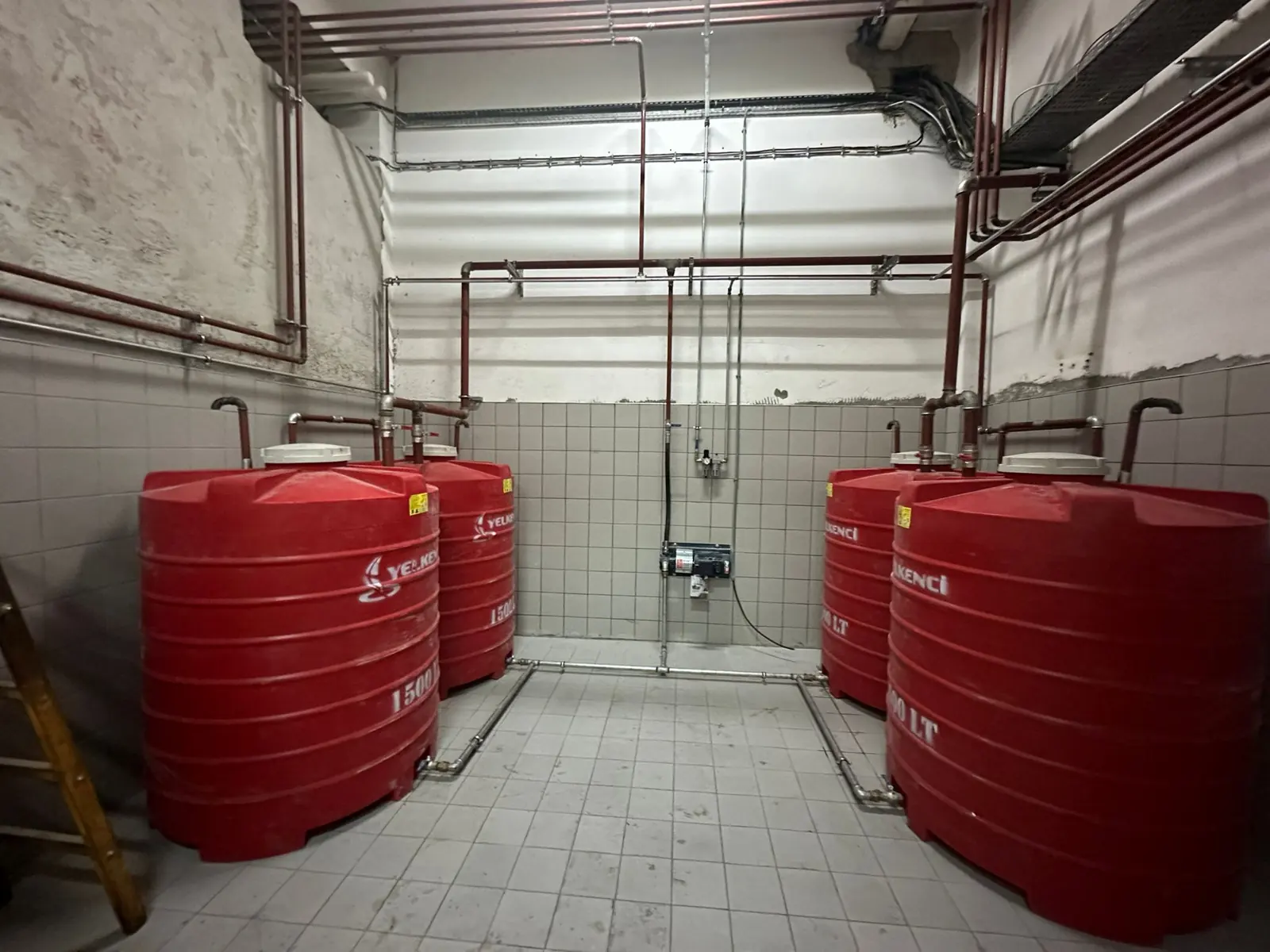
The waste oil tank is leak-tight, placed within a spill containment bund where required, and labelled as hazardous waste. A discharge line from the tank connected to a point that the waste oil collection vehicle can access avoids having to bring hoses into the workshop during handover.
4. Preventing Overfilling
During busy periods it often goes unnoticed when the waste oil tank is filling up. A waste oil tank overfill prevention system gives an audible and visual alarm when the tank is nearly full and stops discharge when the tank is full. The warning level allows the collection vehicle to be called in good time.
5. Handover to a Licensed Waste Oil Collector
Waste oils are handed over to authorised collectors in accordance with the applicable Turkish regulations on the control of waste oils, and handovers are recorded. An orderly collection and storage infrastructure makes it easier for these handovers to be carried out smoothly and with proper documentation.
Regulatory obligations may vary depending on the size and activities of the business; we recommend following announcements from the relevant authorities for current obligations.