Why Is Moving Waste Oil a Problem?
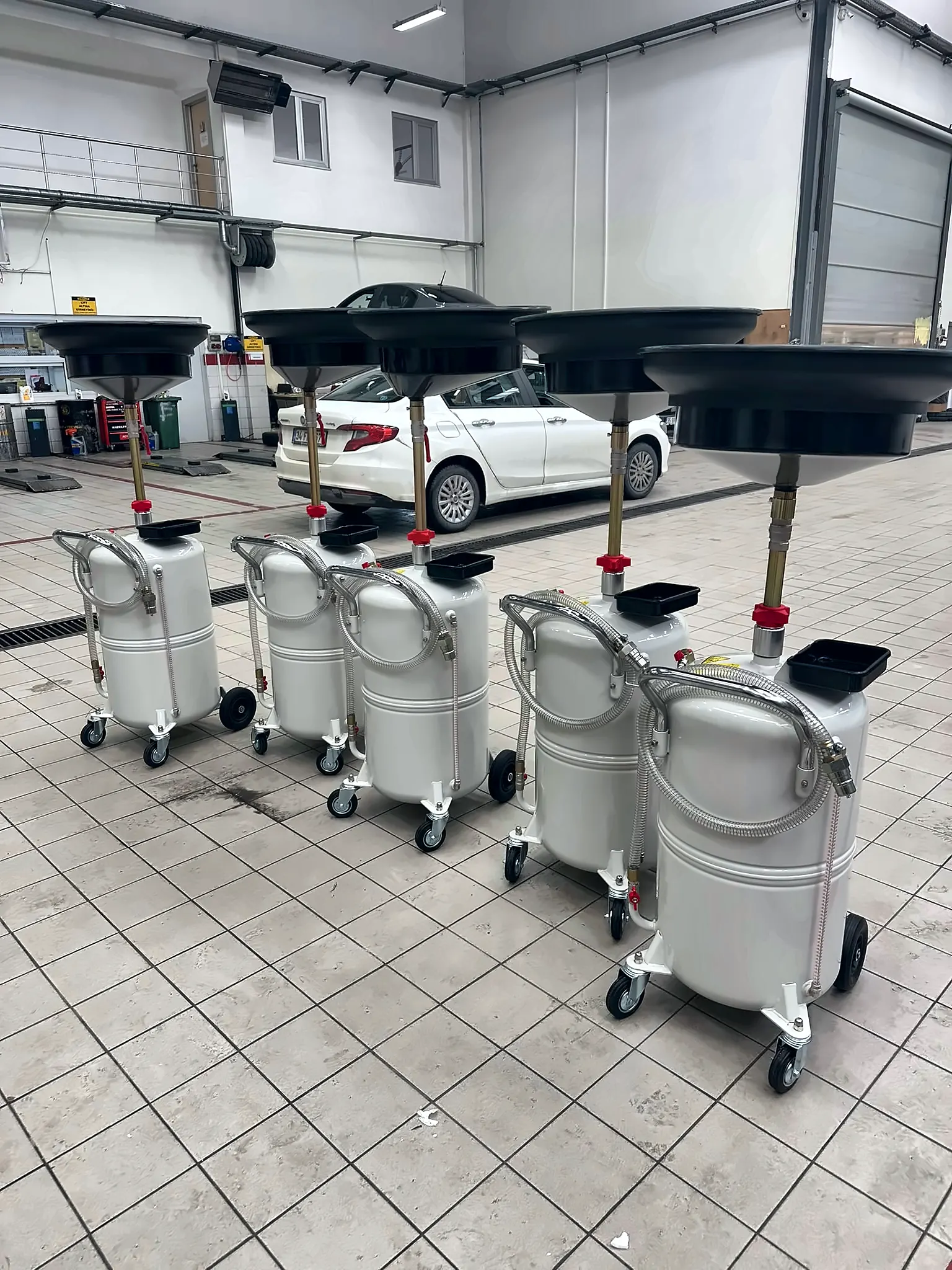
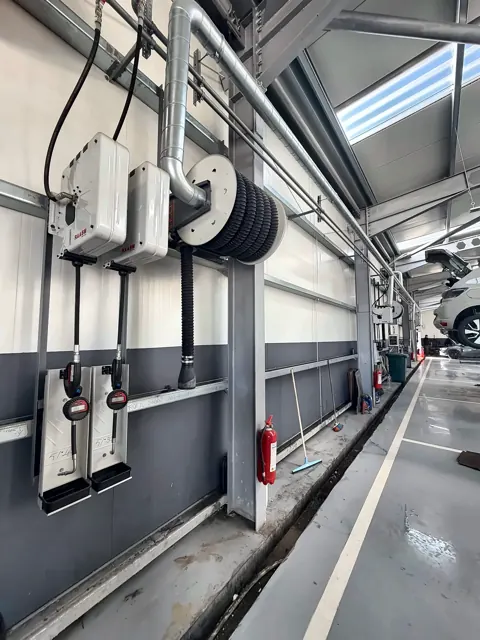
Wheeling a full oil drainer from one end of the workshop to the waste oil tank, or emptying it with canisters, takes time and leads to spills and slip accidents. With a discharge system, the technician connects the drainer to the nearest discharge point and the oil is pumped to the waste oil tank via a closed line.
Storage in Line with Regulations
The Turkish Waste Oil Management Regulation requires waste oils to be collected separately without mixing with other waste, temporarily stored under suitable conditions and handed over to licensed waste oil collectors. A closed discharge line, a waste oil tank with a bund and a well-organised waste oil room make these obligations easier to meet.
System Components
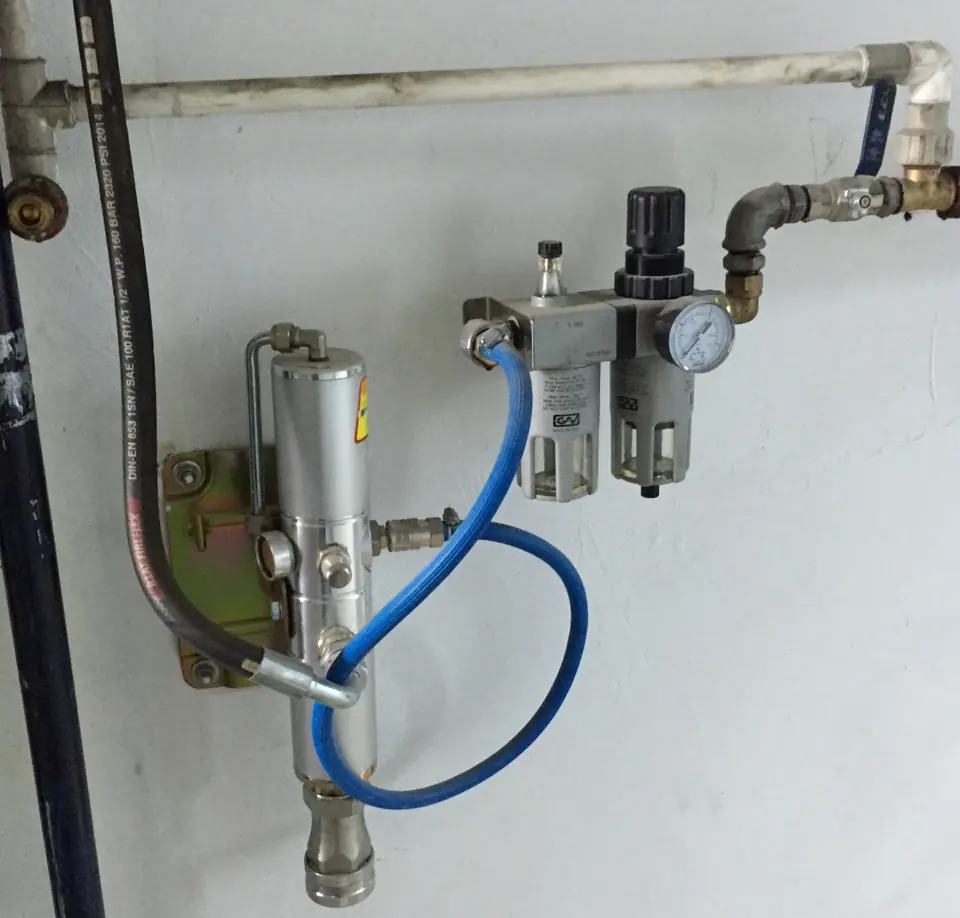
- Wall-mounted discharge connection points in the workshop
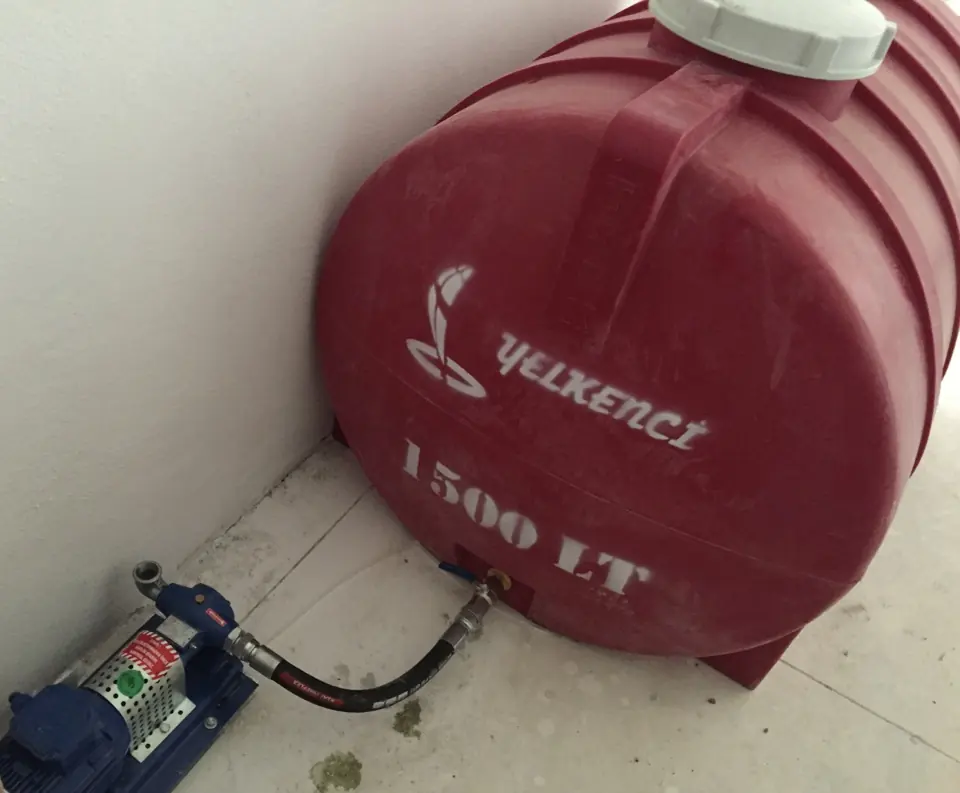
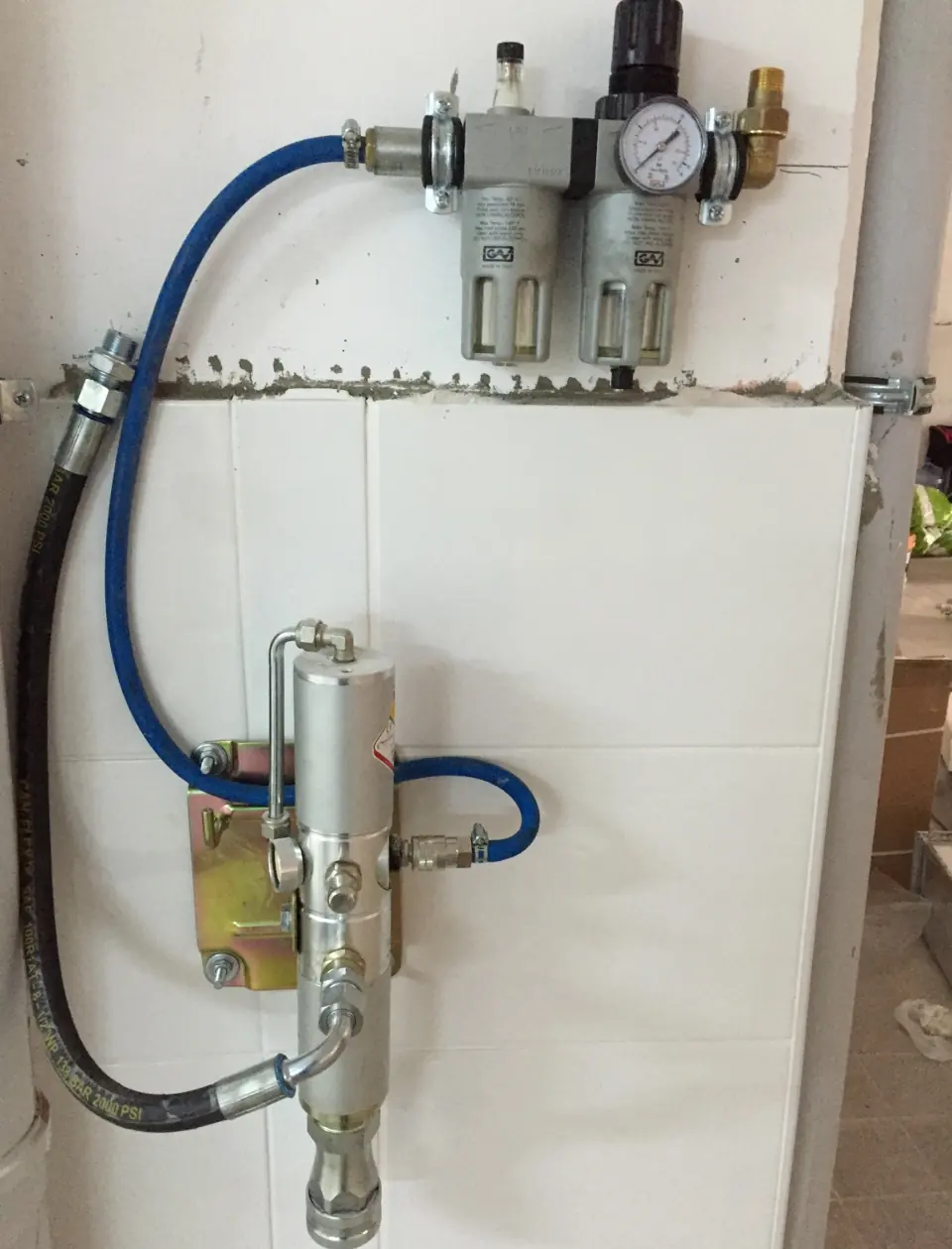
- Pneumatic waste oil pump and air service unit (filter-regulator-lubricator)
- Discharge pipeline and valves
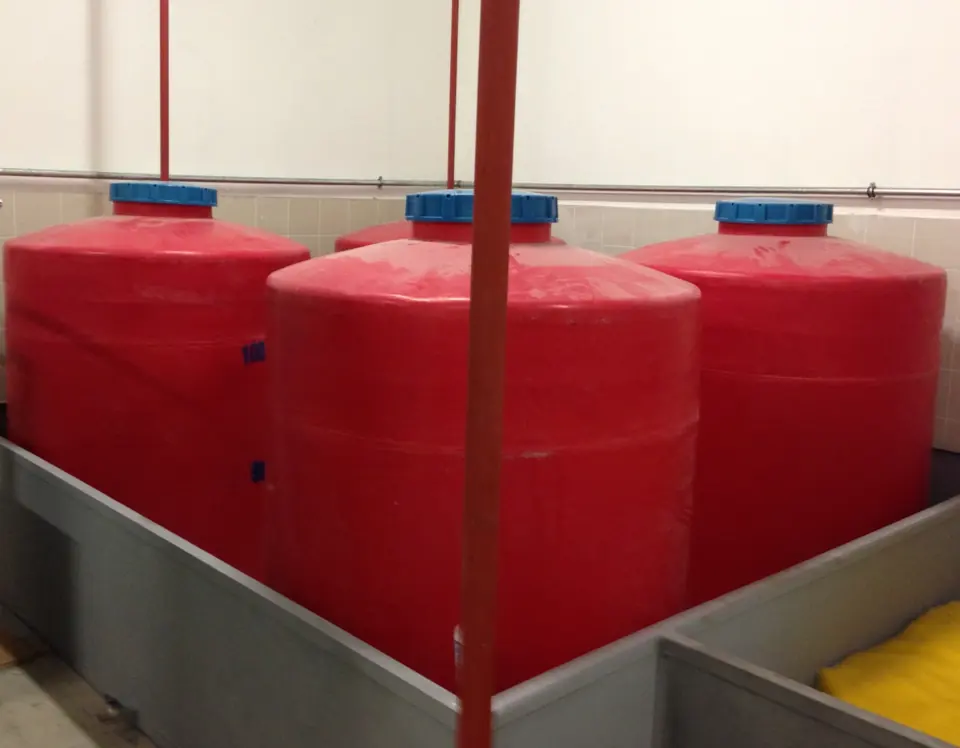
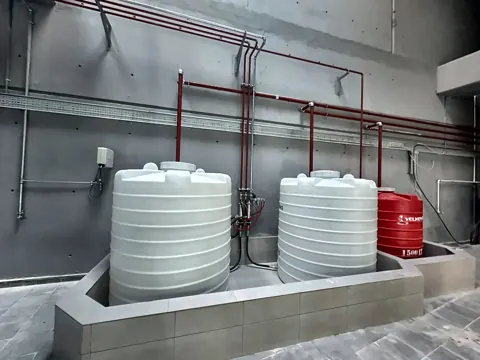
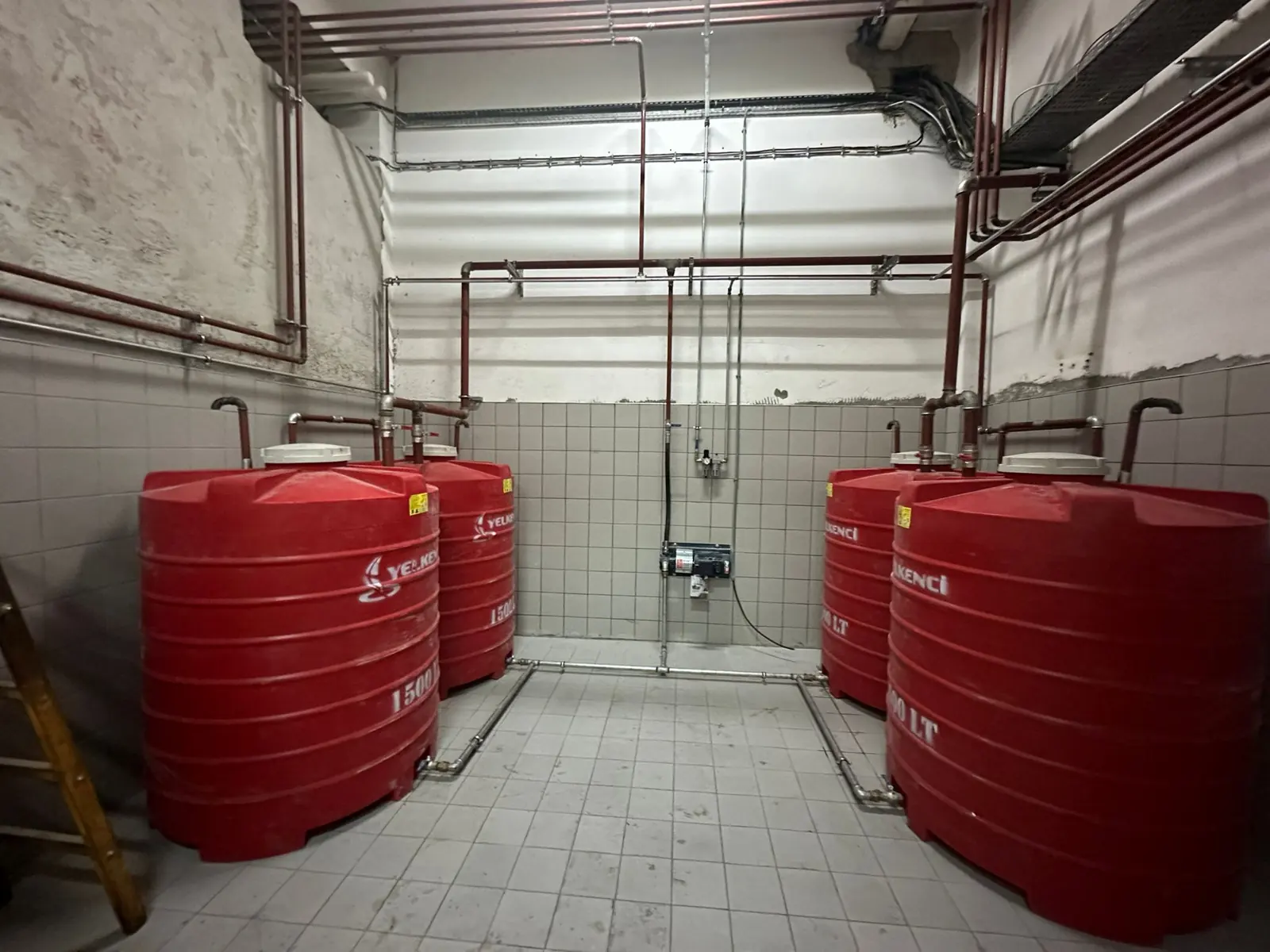
- Waste oil tanks and level indicators
- Bund under the tank
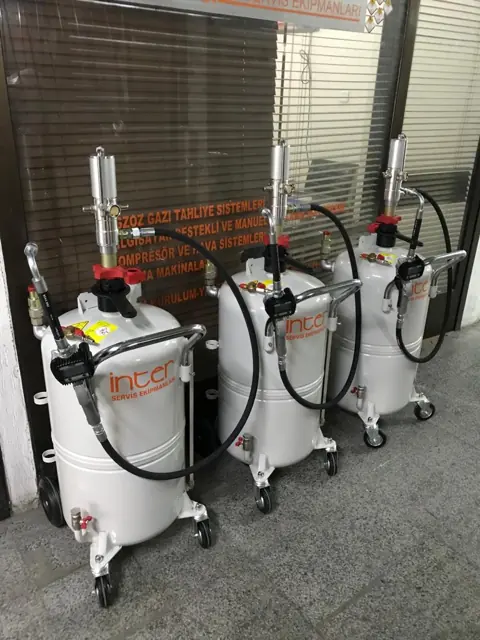
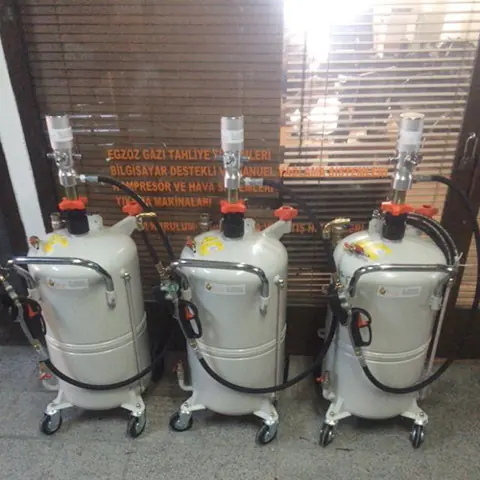
- Mobile oil drainers and suction units
Benefits
- No more moving full drainers around the workshop
- Cleaner floors, lower accident risk
- Controlled storage of waste oil at a single point
- Easier handover to the licensed waste oil collector
How Should a Waste Oil Room Be Arranged?
The waste oil tank is positioned separately from the fresh oil area, within a spill containment bund, and at a point that the licensed waste oil collector’s tanker can access. Being able to see the tank level prevents overfilling and missed collection dates.
Easier Records and Declarations
Collecting waste oil at a single, measurable point makes it easier to track the quantities handed over to the licensed collector and to make the statutory declarations. Waste oil kept in scattered drums is a source of both losses and problems during inspections.
Frequently Asked Questions
Can our existing oil drainers be connected to the system?
Most oil drainers can be connected to the discharge point with a suitable adapter. We check the models of your units during the site survey.
Where should the waste oil tank be placed?
In a separate, enclosed area with leak protection, where the licensed waste oil collector can transfer the oil to a tanker. It can be planned together with the oil room.
Can antifreeze and brake fluid go into the same tank?
No. Waste engine oil and other wastes such as antifreeze and brake fluid must be collected separately. Where necessary, we plan separate tanks and lines for different wastes.