The Cost of an Inaccurate Meter
Oil meters can drift over time due to wear, contamination or impact. A meter that under-reads causes more oil to be put into the vehicle than is invoiced; a meter that over-reads causes the customer to receive less oil. Both are a matter of cost as well as trust. Regular calibration ensures that the oil dispensed matches the oil invoiced and can be presented as evidence in manufacturer or quality audits.
How Is Calibration Carried Out?
- A controlled dispense is made with each gun into a measuring vessel of known volume.
- The value shown by the meter is compared with the actual quantity in the vessel and the deviation is calculated.
- If the deviation is outside the acceptance limit, the meter's calibration setting is corrected.
- The measurement is repeated to confirm that the correction is accurate.
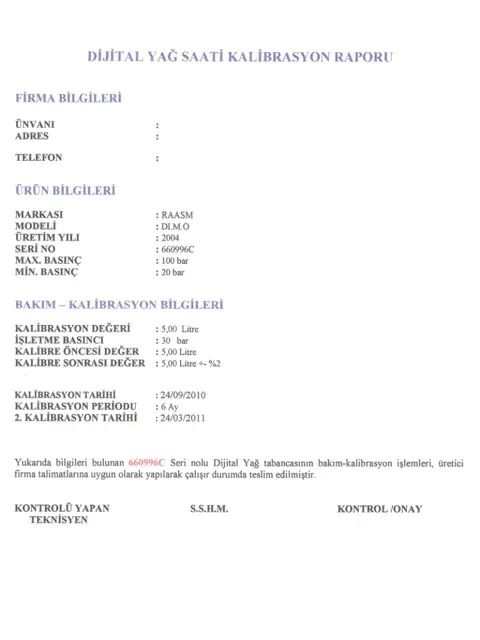
- Values before and after calibration are reported.
Scope
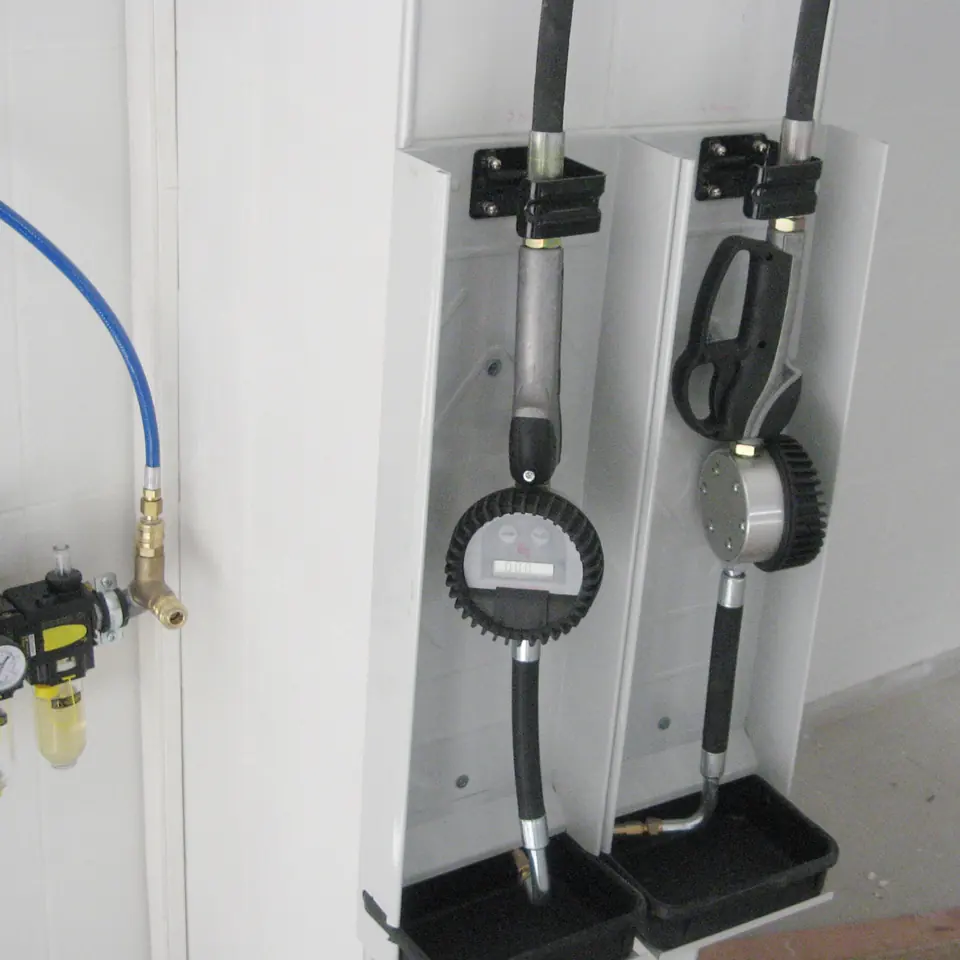
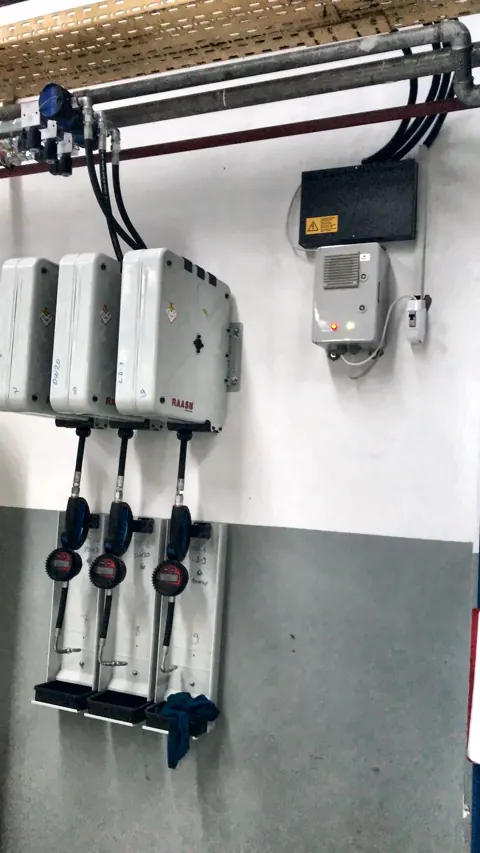
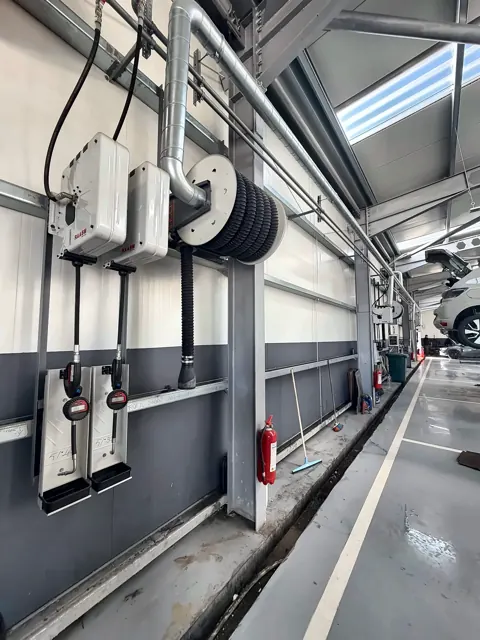
- Digital and mechanical metered dispensing guns on oil hose reels
- Meters of computer-controlled oil management systems
- Meters of mobile oil dispensing units
We agree the calibration interval with you based on how heavily the meters are used and on your manufacturer requirements.
When Is Calibration Needed?
- When a new system is commissioned
- After repairs to a meter, gun or line
- When the oil type is changed (a difference in viscosity affects measurement)
- When an unexplained discrepancy appears between stock and consumption records
- Before a manufacturer or quality audit
Frequently Asked Questions
Does the workshop have to stop for calibration?
No. We calibrate station by station; only the gun being checked is out of use at any one time.
Do you provide a report?
Yes. We issue a report showing the values before and after calibration for each gun.
Do you calibrate meters from different brands?
We can calibrate most digital and mechanical oil meters that allow adjustment. Letting us know the brand and model in advance makes preparation easier.